
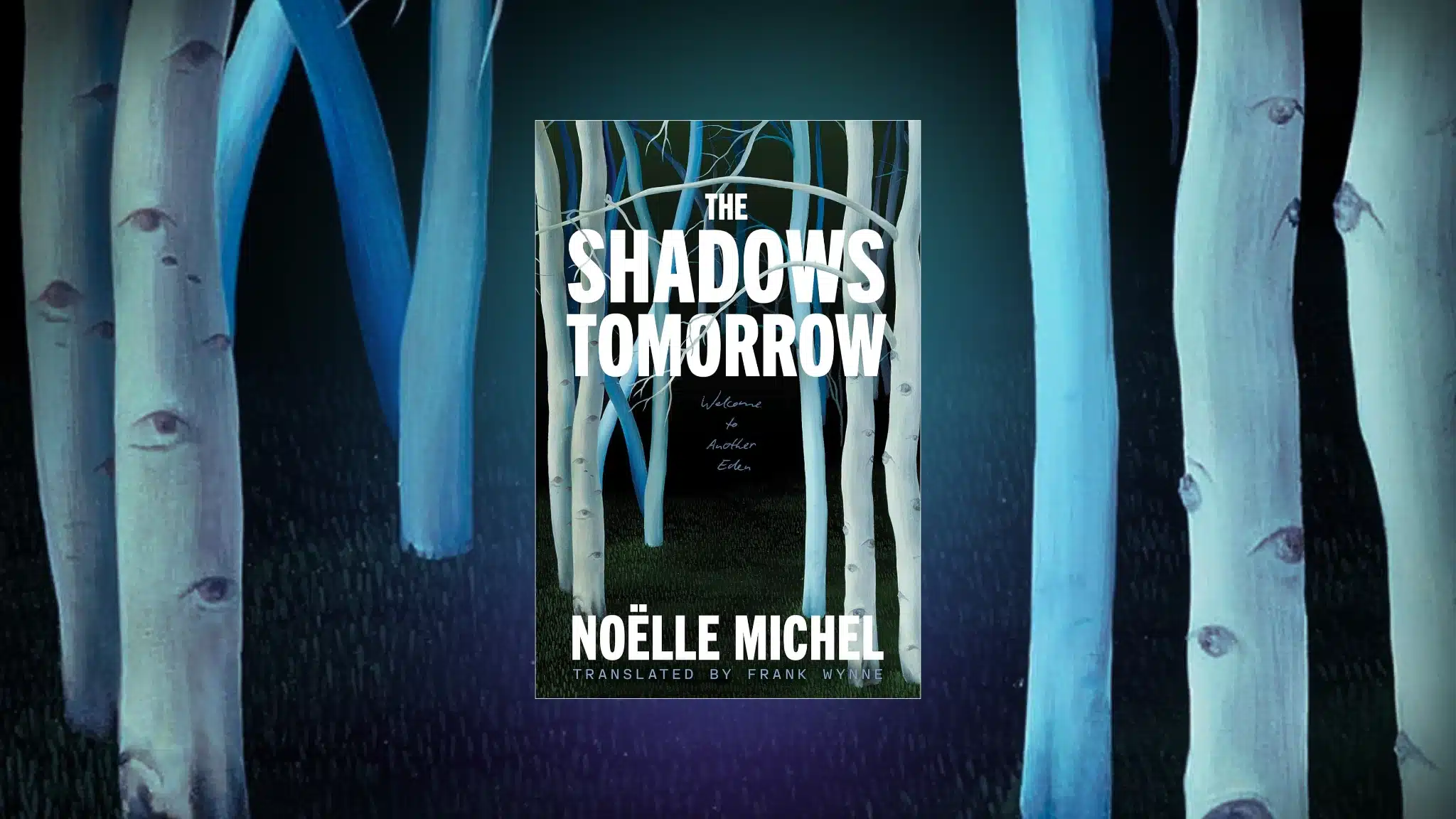
The Shadows Tomorrow by Noëlle Michel
I was inspired to write The Shadows Tomorrow after reading Sapiens: A Brief History of Humankind by historian Yuval Noah Harari. I studied bioengineering and biology and have always been fascinated by evolution. One idea particularly struck me: we are now the only surviving human species. Of all the species in the genus Homo that once existed, sapiens is the only one left today.
Yet in prehistoric times, our ancestors encountered other human species. They didn’t just meet; they had children together. And if they shared families, they must also have shared friendships and desires; they must have loved one another.
Our Species’ Past Meets Its Present
Our “lonely” position as a species gives us a very particular place in the tree of life. I began to wonder what influence this has had on our civilizations, our collective unconscious and our relationship with otherness. If other human species were still living among us today, would our societies be more open-minded? Would there be more racism, or less? And above all: what would happen if another human species suddenly returned and lived alongside us?
That was the starting point for The Shadows Tomorrow. I wanted to explore how we would treat other human species in terms of ethics, human rights and coexistence. I began researching Neanderthals, since they once lived in Europe and are among the best documented prehistoric humans, and several discoveries genuinely amazed me and impacted the way I shaped the novel.
Confronting the Stereotypes
One of them concerned women in prehistory. Like many people, I had grown up with the age-old cliché: men hunted while women stayed in caves with children. But new evidence suggests that women hunted as well, and there is no clear evidence of patriarchal structures during the Paleolithic era. Paleolithic people often left handprints on cave walls, and modern analysis has shown they belonged to both women and men.
Another thing that fascinated me was the way Neanderthals were long portrayed as primitive beasts, almost like a “missing link” between humans and apes. This vision was heavily influenced by older religious ideas of evolution, in which sapiens had to represent the ultimate achievement of creation. Biologically speaking, however, evolution has no final goal. Recent research shows that Neanderthals possessed a spoken language and complex social behaviors.
The Human Experience
I realized Neanderthals were far more similar to us than we’ve long believed, but one major difference may have shaped our respective destinies: their relationship with nature. Neanderthals seem to have considered themselves fully part of the living world, while sapiens gradually developed a tendency to distance themselves from nature and ultimately dominate it.
I wanted to build a fictional world in which we could meet our extinct cousins again, in a story filled with mystery, suspense … and love.
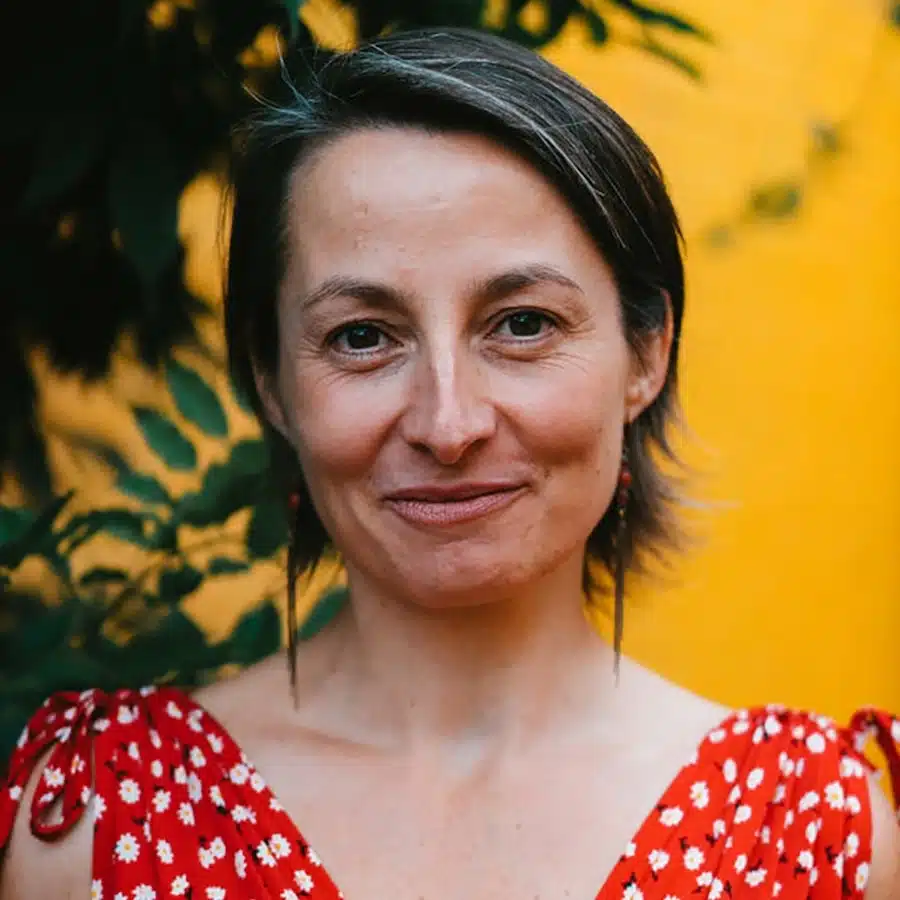 Noëlle Michel is a translator and author. An engineer in biological engineering, she worked for ten years in wastewater treatment. Passionate about languages and literature, she became a freelance translator. Initially specializing in technical translation, she then developed her skills in literary translation. Noëlle lives and works in Ghent, Belgium.
Frank Wynne has translated works by authors including Michel Houellebecq, Patrick Modiano, Virginie Despentes, and Mathias Enard. His work has earned many awards, including the Dublin Literary Award, the Independent Foreign Fiction Prize, and the Premio Valle Inclán.
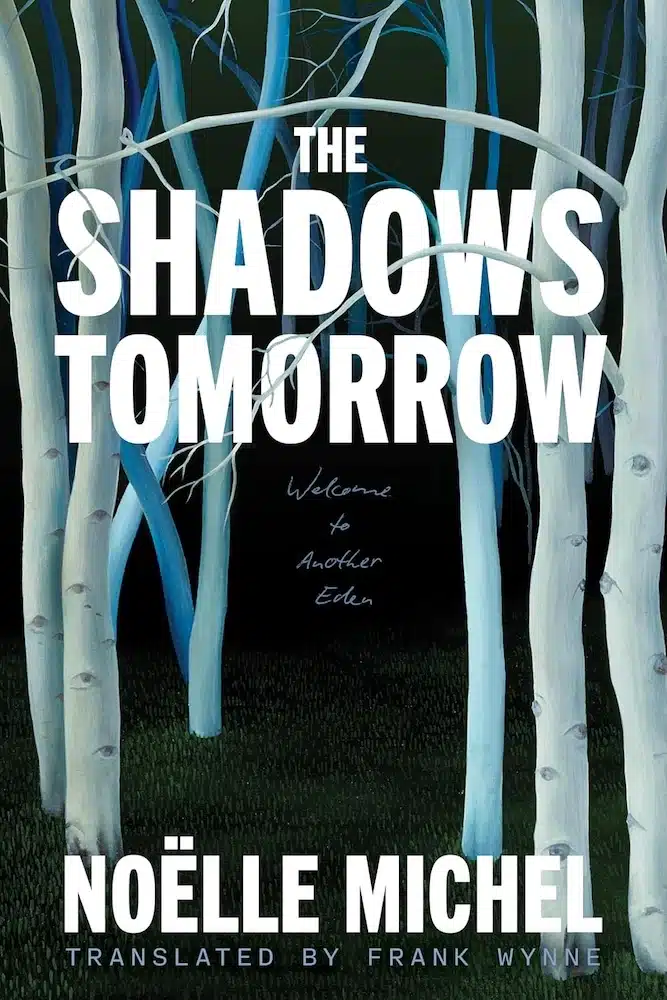
Publish Date: August 4, 2026
Genre: Fiction, Thrillers
Author: Noëlle Michel
Page Count: 304 pages
Publisher: Simon & Schuster
ISBN: 9781668051269