

In late 2018, France ground to a halt on the back of the gilets jaunes protests in which naffed-off labourers downed tools and expressed their grief on the streets. In Paris, members of the law enforcement anti-gang brigade (BRI) were handed a
remit to tool up as quickly as possible and take whatever steps were necessary to calm tensions and suppress those protestors who were deemed a public menace.
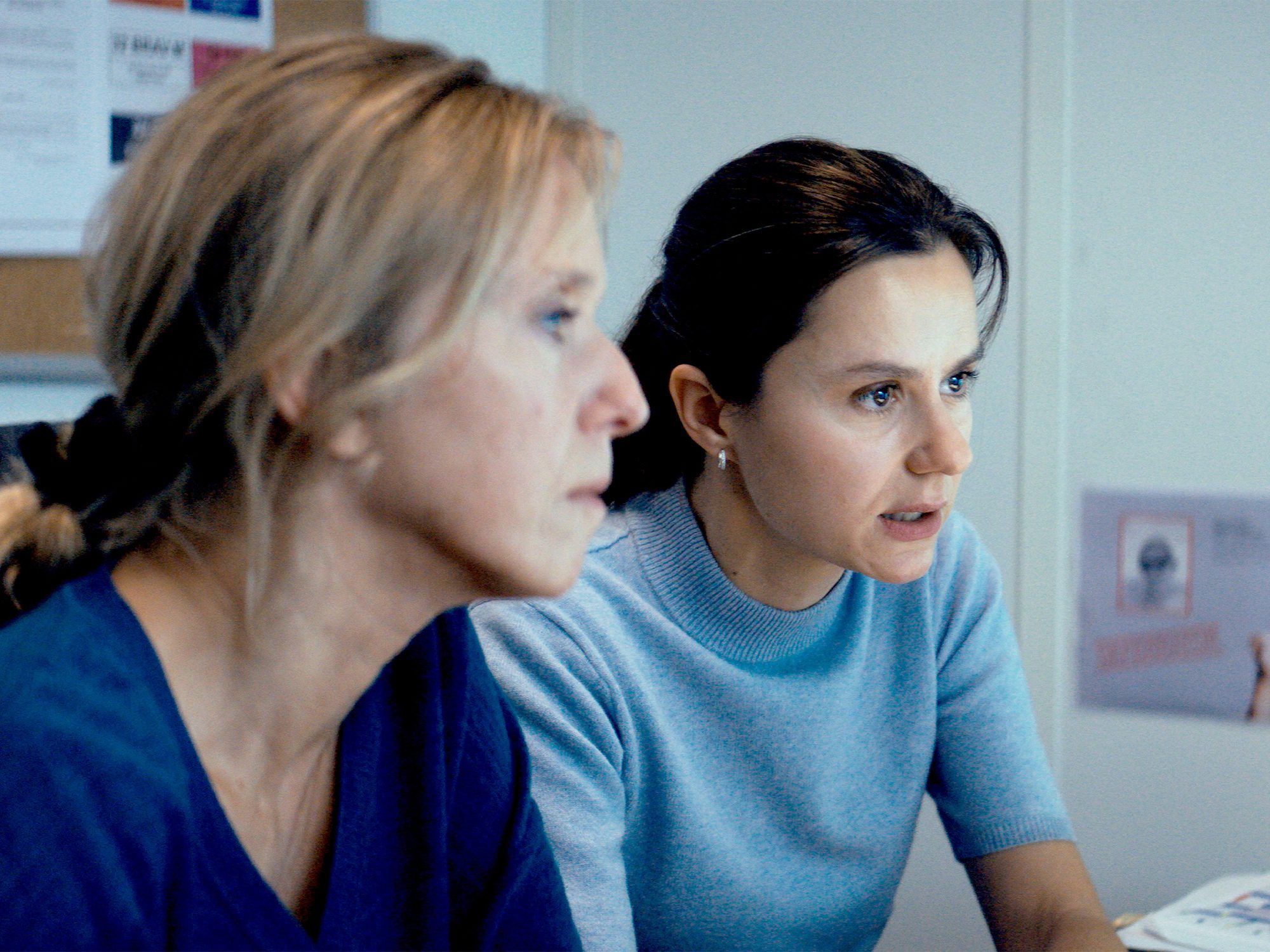
This new film by reliable French director Dominik Moll zeroes in on the fate of a single teenager who, as a result of this loosey-goosey approach to crowd control, is shot in the face and suffers life-altering brain damage as a result. Léa Drucker’s Stéphanie heads up an internal affairs unit – the person who polices the police – looking into the incident and the rogue band responsible for destroying this person’s life.
The first half of Case 137 is its most interesting, with Moll grinding down into the micro details of the investigation and showcasing all the tools at Stéphanie and her team’s disposal. Yet in its second half, the film shifts into a more conventional moral debate about the issues that such a case throws up: whether police solidarity should be maintained in all instances so as to maintain the illusion of strength and order, or should the bad eggs be punished as a way to demonstrate that the police are not an impenetrable and monolithic unit who formulate the rules as they go along.